
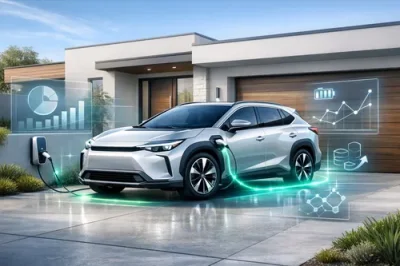


Electric Vehicle Incentives and Tax Considerations in Australia
Electric vehicle incentives, tax settings and state-based concessions can affect the upfront and ongoing cost of buying an EV in Australia. This guide explains the main areas to check before deciding how much to finance, including FBT treatment, stamp duty, registration, rebates and business tax considerations. - read more

Electric Car Loan Eligibility in Australia: Documents, Credit Checks and Approval Steps
Understanding electric car loan eligibility can help Australian borrowers prepare a stronger, clearer application. This guide explains what lenders may assess, which documents are commonly requested, how credit checks work and what to expect during the approval process. - read more

How Electric Car Loan Rates and Repayments Work in Australia
Electric car loan repayments depend on more than the advertised interest rate. This guide explains how rates, comparison rates, fees, loan terms, deposits, balloon payments and borrower circumstances can affect EV finance costs in Australia. - read more

Financing a New or Used Electric Car in Australia
New and used electric cars can both be financed in Australia, but they may be assessed differently. Borrowers should consider price, battery condition, warranty, depreciation, lender vehicle-age criteria and valuation risk before choosing an EV loan. - read more
No comments yet. Be the first to share your thoughts.